
소요와 도스토예프스키 – 자유, 죄, 그리고 신 앞의 인간
- Soyo

- 2025년 9월 12일
- 11분 분량
최종 수정일: 2025년 9월 29일
[KO] [EN] [JP]
소요 존재 윤리학
감방의 대화
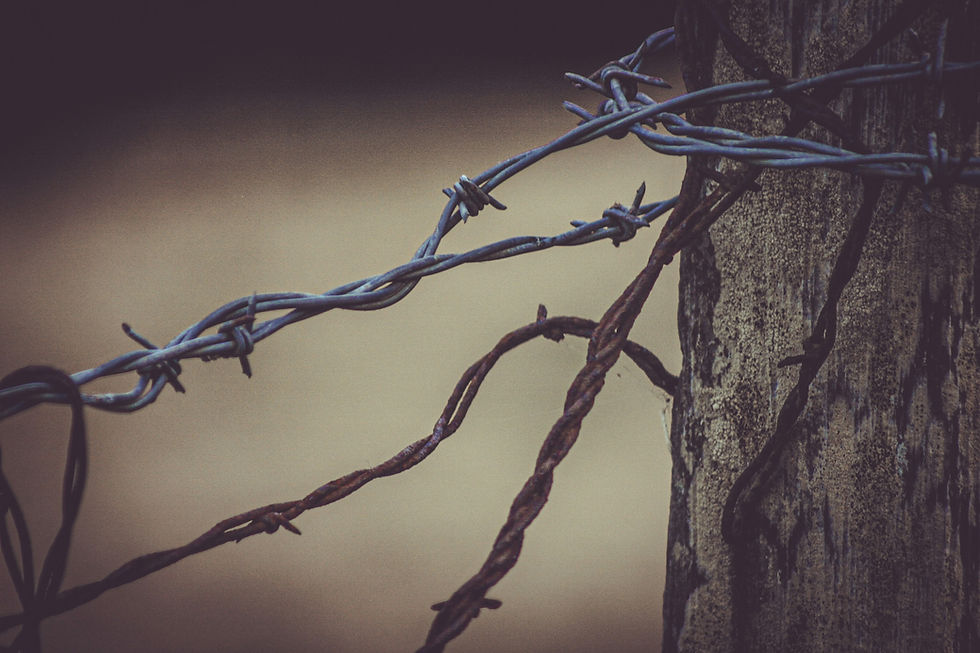
러시아의 오래된 감방, 석탄 냄새가 스며든 어두운 방 안에 도스토예프스키가 앉아 있다. 벽에는 십자가 하나가 걸려 있고, 탁자 위에는 ‘죄와 벌’과 ‘카라마조프가의 형제들’ 이 나란히 놓여 있다. 그 앞에 소요는 천천히 앉았다.침묵 속에서, 신의 부재와 현존이 교차하는 긴장감이 흐르고 있었다.
소요는 말했다.
“당신의 인물들은 죄를 짓고, 고통받고, 무너집니다. 그러나 그 무너짐 속에서도 신의 형상을 붙들려는 절박함이 있어요. 당신에게 신은 사라진 존재가 아니라, 도리어 사라질 수 없어 괴로운 존재였던 것 같습니다.”
도스토예프스키는 낮게 대답했다.
“신은 존재한다. 그러나 그 신은 인간에게 자유를 허락하신다. 그리고 바로 그 자유가 인간을 끝없이 스스로를 파괴하는 존재로 만들었다. 나는 그 자유를 사랑했지만, 동시에 저주했다. 자유가 없었다면 인간은 죄를 짓지 않았을 테니까.”
소요와 도스도예프스키의 대화는 죄와 자유, 믿음과 회귀의 깊은 차원으로 흘러간다. 마침내 도스토예프스키는 단호하게 선언했다. “믿음이란 모든 증거가 신을 부정할 때조차 무릎 꿇는 것이다. 그것은 합리의 믿음이 아니라, 죄의 바닥에서 나오는 고통의 믿음이다.”
그리고 소요는 깨달았다. 죄란 단순히 도망이 아니라, 도리어 하나님께 돌아올 길을 만드는 상처라는 것을.
죄와 자유의 역설
도스토예프스키가 드러낸 인간은 언제나 모순 속에 서 있다. 자유는 인간을 위대하게도 하지만 동시에 죄로 이끄는 무서운 통로이기도 하다. 자유가 없다면 죄도 없겠지만, 자유가 없다면 사랑 또한 불가능하다. 자유는 곧 인간 존재의 영광과 파멸을 동시에 품은 양날의 칼이다.
인간은 자유 속에서 스스로를 무너뜨리며 죄를 짓는다. 그러나 그 죄의 순간에도 인간 존재 깊은 곳에는 하나님을 향한 회귀의 본능이 숨겨져 있다. 이반 카라마조프가 신을 부정하면서도 그 부정 속에 신을 고발하고, 신 없는 세계에서 절규한 것도 그 때문이다. 도스토예프스키가 말하듯, 그 절규 속에서조차 신의 숨결은 들려온다.
신의 부재와 현존
신은 종종 침묵하신다. 고통의 순간, 억울함의 순간, 죽음 앞에서 하나님은 응답하지 않는 듯하다. 그러나 소요가 고백했듯, 바로 그 침묵의 부재가 도리어 신의 존재를 더 강하게 드러낸다. 믿음은 부재를 견디는 연습이며, 증거가 사라진 자리에서도 꺾이지 않는 희망이다.
여기서 드러나는 믿음은 단순한 종교적 신앙이 아니다. 합리적 증거에 기반한 신앙이 아니라, 고통을 껴안는 신앙, 죄의 바닥에서 무릎 꿇는 신앙이다. 그것이 도스토예프스키가 말한 참된 믿음이다.
철학의 역사와 인간의 방황
그러나 인류의 철학사는 이 단순한 진리를 종종 외면했다. 고대 철학자들은 도덕, 정의, 행복, 공동체, 사랑을 외쳤지만, 그것은 조건적 외형일 뿐이었다. 그들은 인간 존재가 이미 양심 속에 품고 있는 무조건적 윤리를 보지 못했다. 철학은 인간을 해체하고 분석하며, 신을 배제한 채 인간을 조건적 존재로 축소시켰다.
그 결과 철학은 인간을 우주의 고아로 만들었다. 신을 잃은 존재는 방황할 수밖에 없었다. 이성은 존재의 가치를 잃고, 감정은 쉼 없이 이성을 고발했다. 삶은 고통과 죽음 앞에서 자유롭지 못한 인간을 잔혹하게 파괴해 왔다. 그 기록은 피로 얼룩진 역사로 남았다.
기계의 유혹과 창조 질서
오늘날 그 빈자리를 기계가 대신 차지하려 한다. 인간은 이제 죄와 고통의 의미를 묻지 않고, 피 없는 기계적 생명 속에서 영원히 살 수 있다는 거짓 욕망에 빠지고 있다. 그러나 꽃은 지기 때문에 아름답고, 인간은 늙고 죽기 때문에 젊음과 삶의 순간이 소중하다. 유한성 속에서만 존재의 고귀함이 드러난다.
창조 질서는 유한성 안에 새겨져 있다. 모든 존재는 사라지기 때문에 가치 있고, 모든 생명은 끝을 향하기 때문에 존귀하다. 이를 거스르는 것은 곧 생명의 파괴이며, 인간존재의 본질을 훼손하는 일이다.
죄의 의미 – 상처에서 윤리로
도스토예프스키가 보여준 죄는 단순한 법적 잘못이 아니다. 죄는 인간이 자유로우기에 범하는 것이지만, 동시에 그 죄로 인해 인간은 양심의 윤리를 발견하게 된다. 죄는 파괴이자 동시에 통로이며, 상처이자 동시에 길이다.
인간은 죄의 씨를 품은 존재다. 그러나 바로 그 죄를 통해 인간은 신의 살아계심을 경험한다. 죄는 인간을 무너뜨리지만, 그 무너짐 속에서 양심의 윤리가 드러나고, 결국 존재는 신의 발 앞에서 멈추게 된다. 따라서 죄란 단순히 피해야 할 것이 아니라, 인간 존재가 하나님께 돌아가도록 만드는 가장 깊은 상처이며, 동시에 가장 위대한 교사다.
존재는 곧 윤리다
신은 죄인을 두려워하지 않는다. 신이 기다리시는 것은 완벽한 인간이 아니라, 돌아오는 자다. 믿음이란 죄가 만든 어둠 속에서도 다시 하나님을 향해 걷는 발걸음이다. 결국 인간 존재는 윤리 자체다. 죄, 고통, 죽음조차도 존재의 윤리를 무너뜨릴 수 없다. 오히려 그 어둠 속에서 양심의 빛이 드러나고, 인간은 신의 창조 질서 안에서 다시 길을 찾는다.
존재는 곧 윤리다. 죄는 인간을 무너뜨리지만, 동시에 하나님께 돌아가는 길을 열어주는 상처다. 그 끝에서 인간은, 신 앞에 무릎 꿇는 영혼으로 회복된다.
소요(逍遙) – 『소요 존재윤리학』 창시자, 『존재의 침묵』, 『진리의 불꽃』 저자
2025 Soyo Philosophy. All rights reserved.
본 저작물은 철학자 소요(逍遙)의 고유 저작물로, ‘소요 존재윤리학’ 철학 체계를 기반으로 창작되었습니다. 본문의 전재, 인용, 복제, 요약, 번역, 2차 저작물 생성, AI 학습 및 데이터 활용 등 모든 무단 사용을 금지합니다. 본 저작물은 대한민국 저작권법 및 미국 저작권법, 그리고 국제 저작권 협약(베른 협약 등)의 보호를 받습니다.
Soyo and Dostoevsky: Freedom, Sin, and Humanity Before God
Soyo's Ethics of Existence Essay

Conversation in a Cell
In an old Russian prison cell, a dark room permeated with the smell of coal. Dostoevsky sits. A single cross hangs on the wall, and on the table are Crime and Punishment and The Brothers Karamazov, side-by-side. Soyo slowly sat down before him. In the silence, a tension flowed: the tension between God's absence and presence.
Soyo spoke.
“Your characters commit sin, suffer, and collapse. Yet, even in that collapse, there is a desperate clinging to the image of God. To you, God was not a vanished being, but a tormented, unvanishing one.”
Dostoevsky answered softly,
“God exists. But that God grants humans freedom. And it is precisely that freedom that has made human beings endlessly destroy themselves. I loved that freedom, yet I cursed it. For without freedom, humans would not have sinned.”
The conversation between Soyo and Dostoevsky flowed into the profound dimensions of sin and freedom, faith and return. Finally, Dostoevsky declared resolutely. “Faith is kneeling even when all evidence denies God. It is not the faith of reason, but the faith of suffering that arises from the depths of sin.”
And Soyo realized "that sin is not merely escape, but rather a wound that creates the path back to God."
The Paradox of Sin and Freedom
The human being revealed by Dostoevsky always stands within contradiction. Freedom makes humans great, yet it is also a terrifying passageway leading to sin. Without freedom, there would be no sin, but without freedom, love is also impossible. Freedom is a double-edged sword, simultaneously holding the glory and ruin of human existence.
Within freedom, humans destroy themselves and sin. Yet even in that moment of sin, deep within human existence lies a hidden instinct to return to God. This is why Ivan Karamazov, while denying God, also accused God within that denial, and why he screamed of a godless world. As Dostoevsky says, even within that scream, the breath of God can be heard.
God's Absence and Presence
God is often silent. In moments of pain, injustice, or facing death, God seems unresponsive. Yet, as Soyo confesses, it is precisely this absence of silence that reveals God's presence more powerfully. Faith is the practice of enduring absence; hope that remains unbroken even where evidence vanishes.
The faith revealed here is not mere religious belief. It is not faith based on rational evidence, but faith that embraces suffering, faith that kneels at the bottom of sin. That is the true faith Dostoyevsky spoke of.
The History of Philosophy and Human Wandering
Yet the history of human philosophy has often turned away from this simple truth. Ancient philosophers proclaimed morality, justice, happiness, community, and love, but these were merely conditional appearances. They failed to see the unconditional ethics already held within the human conscience. Philosophy deconstructed and analyzed humanity, excluding God, and reduced humans to conditional beings.
As a result, philosophy turned humanity into orphans of the universe. Beings who lost God could only wander. Reason lost its value of existence, and emotion ceaselessly accused reason. Life has cruelly destroyed humans, who are not free in the face of suffering and death. That record remains a history stained with blood.
The Allure of Machines and the Order of Creation
Today, machines seek to fill that void. Humans now fall into the false desire to live eternally within bloodless, mechanical life, without questioning the meaning of sin and suffering. Yet flowers are beautiful precisely because they wither. Youth and life's moments are precious precisely because humans age and die. The nobility of existence is revealed only within finitude.
The order of creation is inscribed within finitude. All beings are valuable precisely because they vanish; all life is precious precisely because it moves toward an end. To defy this is to destroy life itself and to corrupt the essence of human existence.
The Meaning of Sin: From Wound to Ethics
The sin Dostoyevsky revealed is not merely a legal transgression. Sin is committed because humans are free, yet through that sin, humans discover the ethics of conscience. Sin is both destruction and a passage, a wound and a path.
Human beings are beings who bear the seed of sin. Yet, it is precisely through that sin that humans experience God's living presence. Sin brings humans down, but within that downfall, the ethics of conscience are revealed, and ultimately, existence comes to a halt before God's feet. Therefore, sin is not simply something to be avoided; it is the deepest wound that causes human existence to return to God, and simultaneously, the greatest teacher.
Existence is Ethics
God does not fear sinners. What God awaits is not the perfect human, but the one who returns. Faith is the step taken toward God once more, even within the darkness wrought by sin. Ultimately, human existence is ethics itself. Not even sin, suffering, or death can destroy the ethics of existence. Rather, within that darkness, the light of conscience is revealed, and humanity finds its way again within God's order of creation.
Existence is ethics itself. Sin may shatter humanity, yet it is also the wound that opens the path back to God. At its end, humanity is restored as a soul kneeling before God.
Soyo (逍遙) – Founder of Soyo's Existence Ethics, Author of 'The Silence of Existence' and 'The Flame of Truth'
2025 Soyo's Philosophy. All rights reserved.
This work is the original creation of Philosopher Soyo (逍遙), based on the philosophical system of 'Soyo's Existence Ethics.' All unauthorized reproduction, quotation, summary, translation, derivative works, AI training, or data usage are strictly prohibited. This work is protected under Korean copyright law, U.S. copyright law, and international copyright treaties (including the Berne Convention). It is also officially certified as a pure human creation, not generated by AI.
Contact: soyophilosophy@gmail.com | soyophilosophy.com | soyophilosophy.kr
ソヨとドストエフスキー, 自由,罪,そして神の前に立つ人間
ソヨ存在倫理学

ロシアの古い監獄,石炭の匂いが染みついた暗い部屋にドストエフスキーが座っている. 壁には十字架が掛けられ,机の上には『罪と罰』と『カラマーゾフの兄弟』が並んでいる. その前にソヨが静かに腰を下ろした. 沈黙の中に,神の不在と現存が交錯する緊張が流れていた.
ソヨは言った.
「あなたの登場人物たちは罪を犯し,苦しみ,倒れていきます. しかしその倒れの中にも神の姿を掴もうとする切実さがある. あなたにとって神は消え去った存在ではなく,むしろ消え去ることのできない苦痛の存在だったのではありませんか.」
ドストエフスキーは低く答えた。
「神は存在する. しかしその神は人間に自由を許した. そしてその自由こそが, 人間を限りなく自らを破壊する存在にしてしまったのだ. 私はその自由を愛しつつも. 同時に呪った. 自由がなければ人間は罪を犯さなかっただろうから.」
ソヨとドストエフスキーの対話は, 罪と自由, 信仰と回帰の深い次元へと流れていった. やがてドストエフスキーは断固として宣言した. 「信仰とは, すべての証拠が神を否定するときでさえ, 膝を屈することだ. それは合理の信仰ではなく, 罪の底から湧き上がる苦悩の信仰である.」
そしてソヨは悟った. 罪とは単なる逃避ではなく, むしろ神へ戻る道を開く傷であることを.
罪と自由の逆説
ドストエフスキーが描いた人間は常に矛盾の中に立っている. 自由は人間を偉大にするが, 同時に罪へと導く恐ろしい通路でもある. 自由がなければ罪もないが, 自由がなければ愛もまた不可能である. 自由はすなわち, 人間存在の栄光と破滅を同時に孕んだ両刃の剣なのだ.
人間は自由の中で自らを崩し罪を犯す. しかしその罪の瞬間にも, 人間存在の深みには神への回帰の本能が潜んでいる. イワン・カラマーゾフが神を否定しながらも, その否定の中で神を告発し, 神なき世界で絶叫したのもそのためだ. ドストエフスキーが語るように, その絶叫の中にさえ神の息吹は響いている.
神の不在と現存
神はしばしば沈黙する. 苦しみの時, 理不尽の時, 死の前にあって神は応えないかのように見える. しかしソヨが告白したように, その沈黙の不在こそが, かえって神の存在を強く顕す. 信仰とは不在を耐える練習であり, 証拠が消え去った場所においても折れない希望である.
ここに顕れる信仰は, 単なる宗教的信心ではない. 合理的証拠に基づく信仰ではなく, 苦悩を抱きしめる信仰、罪の底で膝を屈する信仰である. それこそがドストエフスキーの言う真の信仰なのだ.
哲学の歴史と人間の放浪
しかし人類の哲学史は, この単純な真理をしばしば外面した. 古代の哲学者たちは道徳, 正義, 幸福, 共同体, 愛を叫んだが, それは条件的な外形に過ぎなかった. 彼らは人間存在がすでに良心の中に宿している無条件の倫理を見なかった. 哲学は人間を解体し分析し. 神を排除することで人間を条件的存在に縮小させた.
その結果, 哲学は人間を宇宙の孤児にしてしまった. 神を失った存在は彷徨うしかなかった. 理性は存在の価値を失い, 感情は絶えず理性を告発した. 人生は苦悩と死の前で自由を得られぬ人間を残酷に破壊してきた. その記録は血に染まった歴史として刻まれた.
機械の誘惑と創造秩序
今日, その空席を機械が埋めようとしている. 人間は今や罪と苦悩の意味を問わず, 血なき機械的生命の中で永遠に生きられるという偽りの欲望に溺れている. しかし花は散るからこそ美しく, 人間は老い死ぬからこそ若さと人生の瞬間は尊い. 有限性の中においてのみ, 存在の尊さは顕れる.
創造の秩序は有限性の中に刻まれている. すべての存在は消えるからこそ価値があり, すべての生命は終わりへと向かうからこそ尊い. これに逆らうことはすなわち生命の破壊であり, 人間存在の本質を損なうことである.
罪の意味 ― 傷から倫理へ
ドストエフスキーが示した罪は, 単なる法的過ちではない. 罪は人間が自由であるがゆえに犯すものだが, その罪によって人間は良心の倫理を発見する. 罪は破壊であると同時に通路であり, 傷であると同時に道なのだ.
人間は罪の種を宿した存在である, しかしその罪を通して, 人間は神の生ける存在を経験する. 罪は人間を崩すが, その崩れの中で良心の倫理が顕れ, 最終的に存在は神の御前で立ち止まる. ゆえに罪とは単に避けるべきものではなく, 人間存在を神へ帰らせる最も深い傷であり、同時に最も偉大な教師である.
存在はすなわち倫理である
神は罪人を恐れない. 神が待ち望まれるのは完璧な人間ではなく, 帰ってくる者である. 信仰とは, 罪が作った闇の中でも再び神へ向かって歩む歩みである. 結局,人間存在は倫理そのものである. 罪も, 苦悩も, 死すらも存在の倫理を崩すことはできない. むしろその闇の中で良心の光が現れ, 人間は神の創造秩序の中で再び道を見いだす.
存在はすなわち倫理である. 罪は人間を崩すが, 同時に神へ帰る道を開く傷である. その果てに人間は, 神の前に膝を屈する魂として回復されるのだ.
ソヨ(逍遙) – ソヨ存在倫理学 創始者, 存在の沈黙, 真理の炎 著者
2025 Soyo Philosophy. All rights reserved.
本著作物は哲学者ソヨ(逍遙)の固有著作であり, 「ソヨ存在倫理学」哲学体系に基づいて創作されました.
本文の転載,引用, 複製, 要約, 翻訳, 二次的著作物の生成, AI学習やデータ利用など, すべての無断使用を禁じます. 本著作物は大韓民国著作権法および米国著作権法、さらに国際著作権条約(ベルヌ条約など)によって保護されています.
댓글