
신을 잃어버린 철학과 인간을 잃어버린 문명에 대한 소요 존재윤리학의 응답
- Soyo

- 2025년 11월 28일
- 13분 분량
스피노자 결정론 너머에서
소요 존재 윤리학 90장
[KO] [EN] [JA]
인간자체가 윤리다.

신이 만물이 되는 순간, 인간은 사라진다
철학은 오래전부터 자연을 사랑해왔다. 바람과 물결, 산과 별의 움직임 속에서 신비를 보았고, 인간이 알 수 없는 근원에 대해 물음을 던졌다. 그러나 인간은 그 물음을 끝까지 견디지 못했다. 신이 너무 멀리 있다고 느껴질 때, 인간은 항상 손에 잡히는 것들로 신을 대체해왔다.
태양을 신이라 부르고, 달을 신이라 부르고, 별을 신이라 불렀다. 심지어 자신의 욕망조차 신이라 부르기도 했다. 그것이 바로 범신론의 역사이다. 범신론은 겉으로는 우아한 철학처럼 보인다. “만물에 신이 깃들어 있다”는 말은 인간에게 일종의 위안을 준다. 우주와 하나가 된 듯한 감각, 자연과 일치된 듯한 감각. 그러나 그 위안의 이면에는 끔찍한 모순이 숨어 있다.
만물이 신이라면, 인간은 누구인가?
만물이 신이라면, 인간의 양심은 어디서 오는가?
만물이 신이라면, 인간의 고통은 무엇으로 설명되는가?
자연은 피를 흘리지 않는다.
별은 인간을 위해 울지 않는다.
바람은 인간의 상처를 이해하지 못한다.
만물은 인간의 양심을 울릴 수 없다.
그럼에도 인간은 만물을 신으로 만들었다. 왜냐하면 만물은 인격적 책임을 요구하지 않기 때문이다. 인격적 신은 인간에게 질문을 던지고, 양심을 흔들고, 존재의 책임을 묻는다. 그러나 만물은 묻지 않는다. 만물은 침묵한다. 그리고 인간은 그 침묵을 ‘신의 은혜’로 착각한다.이렇게 인간은 스스로 만든 신의 노예가 된다. 자연에게 무릎을 꿇으면서, 정작 자신 안에 심어진 양심의 울림에는 귀를 닫는다. 이것이 범신론의 비극이다.
노자와 헤겔, 그리고 인격 없는 신의 철학
동양에서는 노자가 도(道)를 자연의 흐름에서 찾았다.
그 흐름은 아름답고, 단순하며, 인간의 욕망을 비워내도록 만든다. 그러나 그 도에는 인격적 사랑이 없다. 우리의 눈물을 닦을 손도 없고, 우리의 죄책을 꿰뚫는 양심도 없다.
서양에서는 헤겔이 정신과 역사의 변증법을 만들었다.
그러나 그 변증법 안에서도 신의 인격은 사라져 있다.
헤겔에게 신은 살아있는 존재가 아니라, 역사가 스스로 조직해내는 거대한 구조일 뿐이었다. 그 구조 속에서 인간은 단지 ‘정신의 장기말’이며 역사의 필연성에 의해 움직이는 존재가 된다.
노자가 자연에게 인간을 맡겼다면,
헤겔은 역사에게 인간을 맡겼다.
그러나 자연도, 역사도, 인간의 피를 대신 흘릴 수 없다.
그것들은 인간의 죄책을 대신 짊어지지 않는다.
그것들은 인간의 고통을 함께 울어주지 않는다.
그러므로 소요 존재윤리학은 묻는다.
“인간의 양심을 깨우는 근원은 어디에서 오는가?”
범신론은 대답하지 못한다. 왜냐하면 자연은 양심을 생산하지 않고, 물질은 슬픔을 이해하지 않기 때문이다.
스피노자의 결정론 – 자유의지가 없는 세계는 영혼이 없는 세계이다
스피노자는 말했다. 신은 모든 것을 결정한다. 자연은 곧 신이고, 신은 자연이다. 인간은 신의 결정 안에서 움직이는 조각에 불과하다.
그렇다면 인간은 무엇인가?
• 숨 쉬는 기계,
• 감정을 흉내내는 로봇,
• 책임을 질 필요가 없는 존재,
• 자유를 가져본 적 없는 존재.
스피노자의 철학에서 인간은 “나는 왜 존재하는가?”라는 질문을 던질 필요가 없다. 왜냐하면 그 질문조차 신의 결정이기 때문이다. 그러나 그가 스스로 무너뜨리는 지점은 바로 여기이다. 스피노자는 인간에게 윤리적 삶을 요구한다. 욕망을 조절하고, 이성을 따르고, 신의 필연성에 순응하라고 말한다.
그러나 어떻게 윤리가 존재할 수 있는가?
윤리(Ethics)는 선택에서 시작되는데,
스피노자의 인간은 선택을 할 수 없다.
윤리는 자유에서 태어난다. 자유는 책임을 낳는다.
책임은 인격을 만든다. 인격은 사랑을 가능하게 한다.
그렇다면 결정론은 인간에게서 무엇을 제거하는가?
•자유 •책임 •양심 •인격 •사랑 •존재의 고귀함
결정론은 결국 인간을 인간으로 만드는 모든 것을 제거해버린다.
결정론을 거부하는 인간의 울음 – 소요의 존재윤리학
소요는 스피노자의 결정론 앞에서 이렇게 고백한다.
“만일 나의 고통이 신의 결정이라면
나는 왜 이토록 양심의 아픔을 느끼는가?
왜 나는 내 삶의 이유를 스스로 묻고 있는가?
왜 나는 선택하지 않은 길에서도 죄책을 느끼는가?”
결정론은 이 질문들에 답하지 못한다. 왜냐하면 결정론의 세계에서는 인간의 눈물도, 고통도, 양심도 단지 ‘신이 결정한 현상’으로 취급될 뿐이다.
그러나 소요 존재윤리학은 말한다.
“자유의지는 신조차 건드리지 않는 인간의 마지막 존엄이다.”
신이 인간에게 준 선물 중 가장 위대한 것은 자유이다.신은 인간을 로봇으로 만들지 않았다.만약 신이 인간을 결정만으로 움직이려 했다면 고통도, 눈물도, 죄책도, 사랑도 필요 없었다. 그러나 신은 인간을 사랑했기에 인간에게 스스로 사랑을 선택할 자유를 주었다.그 자유 속에서 인간은양심을 울리고, 윤리를 살아내고, 존재를 완성한다.
이 자유가 없다면
철학은 존재할 이유가 없고,
윤리는 의미를 잃고,
인간은 세계 속에서 단지 ‘움직이는 그림자’로 사라진다.
소요 명제 — 인간은 결정론의 부산물이 아니다
“인간은 결정론의 부산물이 아니다. 인간의 자유의지는 신조차 손대지 못하는 인간만의 존재가치이며, 신은 이 자유를 인간의 사랑과 윤리의 최종적 근거로 허락하셨다.
이 자유를 깨달은 존재는 이미 신의 사랑을 영혼 깊이 흡수한 존재이다.”
철학은 결정론 위에 설 수 없다
스피노자는 거대한 철학적 체계를 만들었지만 그 체계는 인간을 해체하는 순간 무너진다. 범신론은 자연을 신으로 만들었지만 그 신은 인간을 사랑하지 않는다. 결정론도 인과율도 인간을 설명할 수 없다. 왜냐하면 인간은 고통을 기억하고, 양심을 느끼고, 사랑을 선택하고, 자신의 삶을 스스로 묻는 신적 존재이기 때문이다.
스피노자의 결정론이 말하지 못하는 것, 범신론이 품지 못하는 것, 헤겔이 인정하지 않은 것, 노자가 끝내 말하지 못한 것. 바로 인간의 자유의지와 그 자유를 가능하게 하는 신의 인격적 사랑이다.
그러므로 소요 존재윤리학은 이 시대에 선언한다.
“자유 없는 철학은 죽은 철학이고,결정론 속의 인간은 존재 자체가 무너진다. 인간은 스스로 길을 선택하는 영원한 존재이며 그 자유 안에서 윤리는 살아 움직인다.”
소요(逍遙) – 『소요 존재윤리학』 창시자
『존재의 침묵』, 『진리의 불꽃』 저자
2025 Soyo Philosophy. All rights reserved.
본 저작물은 철학자 소요의 고유 저작물로, ‘소요 존재윤리학’ 철학 체계를 기반으로 창작되었습니다.전재·인용·복제·요약·번역·2차 저작물 생성·AI 학습 및 데이터 활용 등 모든 무단 사용을 금지합니다.대한민국·미국 저작권법 및 국제 저작권 협약의 보호를 받습니다.또한 본문은 AI 비생성 인간 창작물임을 공식적으로 증명합니다.
Soyo Existence Ethics' Response to a Philosophy that Lost God and a Civilization that Lost Humanity
Beyond Spinoza's Determinism – Chapter 90
Soyo Existence Ethics (Existence itself is ethics)

When God Becomes All Things, the Human Disappears
Philosophy has long loved nature. In the movement of wind and waves, in the rising of mountains and the shining of stars, it sensed mystery and asked questions about the unknowable origin of all things. Yet humanity could not endure that question to the end. When God felt too distant, humans always tried to replace Him with what they could touch.
They called the sun god, the moon god, the star god, and, at times, even their own desire god. That is the history of pantheism. Pantheism, on the surface, appears to be an elegant philosophy. The phrase "Divinity permeates all things" offers a kind of comfort. A feeling of being one with the universe, a sense of merging with nature. But behind that comfort, a terrifying contradiction is hiding.
If all things are God, then who is the human being?
If all things are God, where does the human conscience come from?
If all things are God, how can human suffering be explained?
Nature does not shed blood. The stars do not weep for the sake of human beings. The wind does not understand human wounds. Created things cannot stir the depths of human conscience. And yet humans made all things into God because created things do not demand personal responsibility. A personal God questions humans, shakes their conscience, and asks them to take responsibility for their existence. But created things ask nothing. Creation is silent. And humans mistake that silence for "divine grace." In this way, they become slaves to a god of their own making. They kneel before nature while closing their ears to the voice of conscience planted within them. This is the tragedy of pantheism.
Laozi, Hegel, and Philosophies of a God without Personhood
In the East, Laozi sought the Dao (道) in the flow of nature.
That flow is beautiful and straightforward, and it calls humans to empty themselves of desire. Yet in that Dao, there is no personal love. There is no hand that wipes away our tears, and no conscience that pierces our guilt.
In the West, Hegel constructed the dialectic of Spirit and history. Yet even within that dialectic, the personhood of God has vanished. For Hegel, God is not a living being, but a vast structure which history itself organizes. Within that structure, human beings become mere chess pieces of Spirit, moved by the necessity of history.
If Laozi entrusted the human being to nature, Hegel entrusted the human being to history. But neither nature nor history can shed blood in our place. They cannot bear our guilt. They do not weep with our pain. So, Soyo Existence Ethics asks: "From where does that which awakens human conscience truly come?" Pantheism cannot answer. Because nature does not produce conscience, and matter does not understand sorrow.
A World Without Free Will is a World Without a Soul - Spinoza's Determinism
Spinoza said: God determines all things. Nature is God, and God is nature.
The human being is nothing more than a piece moving within God's decisions. Then what is a human being? A breathing machine, a robot mimicking emotion, a being that does not bear responsibility, and a being that has never truly possessed freedom.
In Spinoza's philosophy, the human does not need to ask, "Why do I exist?" For even that question is merely God's decision. Yet this is precisely where his system collapses. Spinoza demands an ethical life from the human being. He tells us to regulate our desires, to follow reason, and to submit to divine necessity. But how can ethics exist? Ethics begins with choice. Spinoza's human being cannot make choices.
Ethics is born from freedom. Freedom gives birth to responsibility. Responsibility shapes personhood. Personhood makes love possible. So what does determinism remove from the human being?
•Freedom • Personhood
• Responsibility • Love
• Conscience • The nobility of existence
Determinism ultimately strips away everything that makes a human being "human".
The Human Cry that Rejects Determinism
Standing before Spinoza's determinism, Soyo confesses: "If my suffering is merely God's decision, why then do I feel such pain in my conscience? Why do I keep asking myself the reason for my own life? Why do I feel guilt even on paths I never chose?"
Determinism cannot answer these questions, because in a deterministic world, human tears, suffering, and conscience are treated as nothing more than "phenomena determined by God." But Soyo Existence Ethics says:
"Free will is the last dignity of the human being that even God does not violate."
Among the greatest gifts God has given to humanity is freedom. God did not create humans as robots. If God had intended to move us only by determination, there would be no need for suffering, tears, guilt, or love. But because God loved the human being, He granted us the freedom to choose love for ourselves. Within that freedom, humans stir their conscience, live out ethics, and bring their existence to completion. If this freedom does not exist, philosophy has no reason to exist, ethics loses its meaning, and the human being fades into a mere "moving shadow" in the world.
Soyo Proposition - The Human Being is Not a By-product of Determinism
"The human being is not a by-product of determinism. Human free will is a unique existential value that even God does not touch. God has granted this freedom as the ultimate ground of human love and ethics. A being that awakens to this freedom has already absorbed God's love into the depths of its soul."
Philosophy Cannot Stand on Determinism
Spinoza built a vast philosophical system, but that system collapses the moment it dismantles the human being. Pantheism made nature into God,
but that God does not love the human being. Neither determinism nor causality can explain the human being. Because the human is a divine-like being who remembers suffering, feels conscience, chooses love, and questions their own life with a voice that comes from within.
What Spinoza's determinism fails to say, what pantheism cannot contain, what Hegel refuses to acknowledge, and what Laozi ultimately does not declare, is the same one thing: the human free will and the personal love of God that makes this freedom possible.
Therefore, Soyo proclaims to this age:
"Philosophy without freedom is dead philosophy, and a human being within determinism has their very existence destroyed. The human is an eternal being who chooses their own path, and within that freedom, ethics becomes a living force."
Soyo (逍遙) – Founder of Soyo Existence Ethics. Author of The Silence of Existence, The Flame of Truth
© 2025 Soyo Philosophy. All rights reserved.
This work is the original creation of the philosopher Soyo, based on the philosophical system of "Soyo Existence Ethics." All unauthorized reproduction, quotation, summary, translation, adaptation, derivative use, AI training, or data utilization of this text are strictly prohibited. This work is protected under the copyright laws of the Republic of Korea, the United States of America, and international copyright conventions. This text is also hereby officially certified as a human-created, non-AI-generated philosophical work.
Contact: soyophilosophy@gmail.com | soyophilosophy.com | soyophilosophy.kr
神を失った哲学と 人間を失った文明への 逍遙存在倫理学の応答
スピノザの決定論を越えて
逍遙存在倫理学 第90章
存在そのものが倫理である
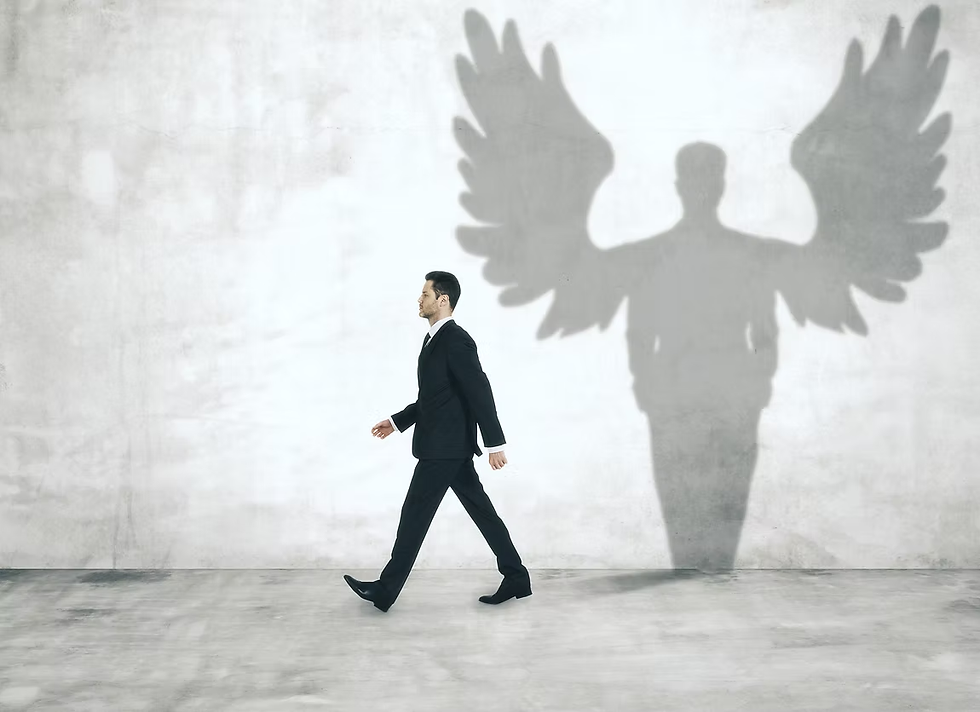
神が万物となる瞬間,人間は消える
哲学は古来より自然を愛してきた.風や波の動き,山や星々の輝きの中に神秘を見出し,人間には理解し得ない根源へと問いを投げ続けてきた.しかし人間は,その問いを最後まで耐え抜くことができなかった. 神が「遠すぎる」と感じられたとき,人間はいつも手に触れられる何かで神を代替しようとしてきた。
太陽を神と呼び、
月を神と呼び、
星を神と呼び、
時には自らの欲望をも「神」と呼んだ。
これが汎神論の歴史である.一見すると汎神論は優雅な哲学のように見える,「万物に神が宿る」という言葉は,ある種の慰めを人間に与える.宇宙と一体になる感覚, 自然と融合するような感覚. しかしその慰めの裏には恐ろしい矛盾が潜んでいる.
もし万物が神であるなら,人間とは何か?もし万物が神であるなら,人間の良心はどこから来るのか?もし万物が神であるなら,人間の苦しみは何によって説明されるのか?
自然は血を流さない。
星々は人間のために泣かない。
風は人間の傷を理解しない。
万物は人間の良心を震わせることができない。
それでも人間は万物を神に仕立て上げた.なぜなら,万物は人格的責任を要求しないからである。
人格的な神は人間に問いを投げ, 良心を揺さぶり,存在の責任を問う.しかし万物は問いかけない.万物は沈黙する.そして人間はその沈黙を「神の恩寵」と錯覚する.こうして人間は,自ら造り上げた「偽りの神」の奴隷となる.自然に跪きながら,自らの内に植えられた良心の声には耳を塞ぐ.これこそが汎神論の悲劇である。
老子とヘーゲル—人格なき神の哲学
東洋では老子が道(タオ)を自然の流れの中に見出した.
その流れは美しく,単純で,人間の欲を空にする道を示した.しかしその道には人格的な愛がない.私たちの涙を拭う手もなく,罪責を貫く良心もない. 西洋ではヘーゲルが精神と歴史の弁証法を築いた.しかしその体系においても, 神の人格は消え失せている.ヘーゲルにとって神とは生きた存在ではなく,歴史そのものが組織する巨大な構造であった.そこでは人間は「精神の駒」でしかなく,歴史の必然性によって動かされる存在となる. 老子は自然に人間を委ね,ヘーゲルは歴史に人間を委ねた。
しかし自然も歴史も,人間の代わりに血を流すことはできない.罪責を背負うこともできない.痛みを共に泣きながら抱きしめることもない. だから逍遙存在倫理学は問う.「では,人間の良心を呼び覚ます源はどこにあるのか?」汎神論はこの問いに答えられない.なぜなら自然は良心を生み出さず,物質は悲しみを理解しないからである.
スピノザの決定械論—自由のない世界は魂のない世界である
スピノザは言った.神はすべてを決定する.自然は神であり,神は自然である.人間は神の決定の中で動く「一つの断片」に過ぎない.では,人間とは何か?
• 呼吸する機械
• 感情を模倣するロボット
• 責任を負う必要のない存在
• 自由を持ったことのない存在
スピノザの哲学では,人間は「なぜ自分は存在するか?」と問う必要すらない.その問いすら神の決定だからである.しかし彼の体系が自壊するのはまさにここだ.スピノザは人間に倫理的生活を要求する.欲望を制し,理性に従い,神の必然性に服従せよと言う.だが倫理はどこから生まれるのか?倫理は 選択 から始まる.しかしスピノザの人間は選択することができない.
倫理は 自由 から生まれる. 自由は 責任 を生み,責任は 人格 をつくり, 人格は 愛 を可能にする.では,決定論は人間から何を奪うのか?
自由, 責任, 良心, 人格, 愛, 存在の尊厳 決定論は最終的に, 人間を人間たらしめるものをすべて奪い去る.
決定論を拒む人間の叫び —逍遙存在倫理学の応答
スピノザの決定論を前にして,逍遙はこう告白する。
「もし私の苦しみが神の決定に過ぎないなら、
なぜ私は良心の痛みを覚えるのか?
なぜ私は自らの人生の理由を問うのか?
なぜ私は選ばなかった道にさえ罪責を感じるのか?」
決定論はこの問いに答えられない.なぜなら決定論の世界では, 涙も苦しみも良心も, すべて「神の決定した現象」に過ぎないからである.しかし逍遙存在倫理学は言う。
「自由意志は,神でさえ触れない, 人間最後の尊厳である。」 神が人間に与えた賜物の中で, 最も偉大なのは 自由 である. もし神が人間を“決定だけで動く存在”にしたかったのなら, 苦しみも, 涙も, 罪責も, 愛も必要なかった. だが神は人間を愛したゆえに, 人間が “自ら愛を選ぶ自由” を与えた. その自由の中で, 人間は 良心を震わせ,倫理を生き, 存在を完成させてゆく. もしこの自由が存在しないなら, 哲学は存在理由を失い, 倫理は意味を失い, 人間はただの「動く影」として消えていく。
逍遙命題 —人間は決定論の副産物ではない
「人間は決定論の副産物ではない. 人間の自由意志は, 神でさえ触れない人間固有の存在価値であり,神はこの自由を, 人間の愛と倫理の最終根拠として許した.この自由に目覚めた存在はすでに, 神の愛を魂の深部に吸い込んだ存在である。」
哲学は決定論の上に立つことはできない
スピノザは巨大な哲学体系を築いたが,その体系は「人間」を解体した瞬間に崩れ去る. 汎神論は自然を神としたが, その神は人間を愛さない.決定論も因果律も, 人間を説明することはできない. なぜなら人間とは, 苦しみを記憶し, 良心を感じ, 愛を選び, 人生を自ら問う “神的存在” だからである. スピノザの決定論が語り得ないもの, 汎神論が抱きしめられないもの, ヘーゲルが認めなかったもの, 老子が最後まで言わなかったもの.
それは一つの真理である.
人間の自由意志, そしてその自由を可能にする神の人格的愛である。
だから逍遙存在倫理学はこの時代に宣言する.「自由なき哲学は死んだ哲学であり, 決定論の中にいる人間は,存在そのものが崩壊する. 人間は自らの道を選ぶ永遠なる存在であり, その自由のうちに倫理は生きて動く。」
ソヨ(逍遙) — 『ソヨ存在倫理学』創始者
著書:『存在の沈黙』、『真理の炎』
© 2025 Soyo Philosophy. All rights reserved.
本著作物は哲学者ソヨの独自著作であり,「ソヨ存在倫理学」体系に基づいて創作されたものです.無断転載・引用・翻案・要約・翻訳・二次創作・AI学習利用などあらゆる無断使用を禁止します.韓国・米国著作権法および国際条約により保護されます.本文章は AI生成物ではなく,人間による独自創作であることを正式に証明します.
댓글