
키에르케고르 철학의 한계와 소요 존재윤리학의 초월
- Soyo

- 2025년 9월 5일
- 11분 분량
최종 수정일: 2025년 9월 27일
소요 존재윤리학

절망과 희망, 그리고 양심의 윤리
절망에서 시작되는 철학
철학은 언제나 고통과 의문에서 시작된다. 인간은 삶의 여정 속에서 이해할 수 없는 고난과 절망을 맞닥뜨린다. 소유, 명예, 관계, 이별, 죽음, 사회적 조건 속에서 인간은 자신의 무력함과 불완전성을 체험한다. 이러한 체험은 단순한 불운이나 불행이 아니다. 철학자들에게는 그것이야말로 인간 존재의 본질을 드러내는 창(窓)이었다.
19세기 덴마크의 철학자 키에르케고르는 인간 존재를 “절망하는 존재”라 규정했다. 그에게 절망은 인간이 자기 자신을 알지 못하고, 동시에 하나님과의 관계에서 단절된 상태였다. 절망을 통해 인간은 자기 실존을 직면하게 되고, 그 끝에서만이 하나님께 도약할 수 있다는 것이 그의 결론이었다.
그러나 21세기의 철학자인 소요는 이러한 해석에 머물지 않는다. 소요는 인간 존재의 절망을 보다 깊이 묻는다. 인간이 왜 절망할 수밖에 없는가, 절망의 근본적 이유는 무엇인가, 그리고 그 절망은 단순히 인간이 극복해야 할 벽인가 아니면 더 큰 초월의 불꽃으로 이어지는 문인가. 이러한 물음 속에서 소요 존재윤리학은 키에르케고르의 실존철학을 넘어선 새로운 길을 제시한다.
키에르케고르의 절망과 그 한계
키에르케고르는 ‘죽음에 이르는 병’ 에서 절망을 인간 실존의 근본 구조로 분석했다. 그는 절망을 단순한 심리적 상태가 아니라, 인간이 자기 자신과 하나님 사이에서 겪는 실존적 분열로 규정했다. 인간은 자기 자신을 이해하려 하지만 스스로를 완전히 알 수 없으며, 그 미완성은 곧 절망으로 나타난다.
그러나 키에르케고르의 분석에는 분명한 한계가 있다. 그는 절망을 인간 내적 구조에서만 해명한다. 절망은 인간 실존에 내재한 불가피한 조건이며, 그것을 넘어서는 길은 오직 하나님께 “신앙의 도약”을 감행하는 것뿐이라고 제시한다.
하지만 그는 절망이 왜 주어졌는지 그 이유를 묻지 않는다. 절망의 배경에는 인간이 스스로 창조되지 않은 피조물이라는 사실, 다시 말해 인간의 존재가 신적 사랑과 창조에 근거한다는 점을 깊이 밝히지 못한다.결국 그의 철학은 절망을 “극복해야 할 실존적 장벽”으로만 한정하고, 그 절망이 지니는 영원성과 사랑의 증거를 다루지 못한다.
소요 존재윤리학의 응답, 절망의 이유와 초월
소요는 절망을 다르게 본다. 절망은 단순히 인간의 한계나 불완전성을 드러내는 것이 아니다. 절망은 신의 사랑으로 주어진 양심의 윤리가 인간에게 질문하는 사건이다.
인간은 스스로 윤리를 창조할 수 없다.
인간의 내면은 너무 복잡하고 파편적이다. 인간은 이성과 감정을 조율할 수 있지만, 그 근본적 뿌리는 스스로 세운 것이 아니다. 따라서 인간은 스스로 양심의 윤리를 발명하거나 창조할 수 없다.
양심의 윤리는 신의 선물이다.
인간은 자유의지를 통해 선택하지만, 그 자유 자체가 신으로부터 주어진다. 인간이 절망 속에서 무너질 때마다 양심의 윤리는 침묵으로 질문한다. “너는 이 절망을 통해 무엇을 선택할 것인가? 희망인가, 좌절인가?” 이 질문은 인간의 양심에 심겨진 신의 흔적이다.
절망은 초월의 통로다.
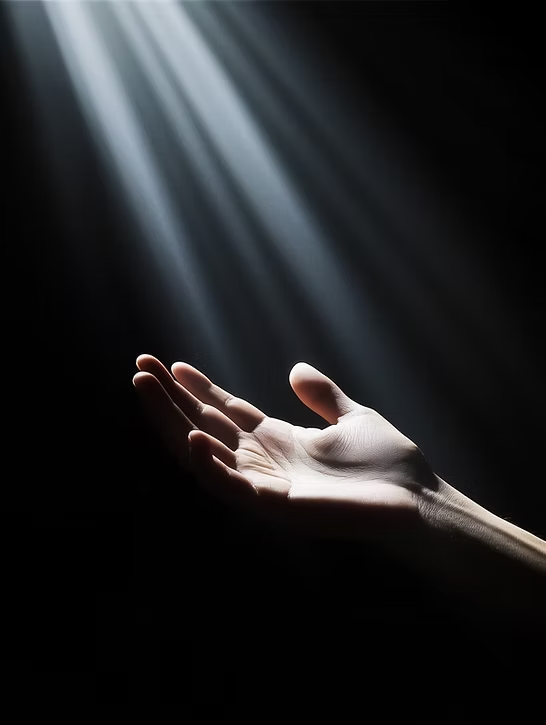
절망은 인간을 파괴하기 위한 것이 아니라, 희망과 진리를 선택하도록 부르는 통로이다. 고통과 눈물, 사회적 억압, 문명의 이데올로기 속에서도 인간은 양심의 윤리를 붙들 때에만 절망을 넘어 희망의 땅으로 나아간다.
문명과 철학, 통제와 자유의 충돌
소요는 인간의 여정이 단순히 개인의 내면적 투쟁이 아니라, 문명의 구조와 충돌하는 과정임을 강조한다.
인간은 종교, 사회, 교육, 이데올로기라는 다양한 장치와 부딪치며 살아간다.그러나 이 구조들은 인간을 자유롭게 하기보다 오히려 보이지 않는 통제를 가한다.인간이 이 현실만 바라본다면 좌절과 절망에 빠질 수밖에 없다. 철학은 바로 이 지점에서 등장한다. 철학은 인간이 마주하는 “통제와 자유의 충돌을 드러내는 유일한 장(場)“이다. 절망과 희망은 철학 위에서 연결되며, 그 다리 위에서 인간은 자유롭게 선택한다.
소요의 초월, 진리의 불꽃
소요 존재윤리학은 인간 존재의 길을 이렇게 정의한다.
인간은 절망 속에서도 희망을 선택할 수 있는 자유를 부여받았다.그 자유는 양심의 윤리 위에서만 올바르게 작동한다.절망을 넘어서는 삶은 단순한 극복이 아니라, 고통 너머 생명의 땅을 바라보는 초월의 길이다. 그곳에는 더 이상 절망도, 파괴도, 슬픔도 없다. 오직 진리의 불꽃만이 인간 존재를 비추며, 그 불꽃은 신의 사랑 안에서 결코 꺼지지 않는다. 따라서 절망은 끝이 아니라, 희망을 선택할 수 있는 가장 강렬한 증거다.
절망의 철학자와 희망의 증언자
정리하자면, 키에르케고르는 절망을 실존의 핵심으로 분석하고, 그 절망을 넘어서는 길을 신앙의 도약에서 찾았다. 그는 철저히 절망의 철학자였다.소요는 절망의 이유 자체를 묻는다. 인간은 스스로 존재하지 않았고, 스스로 윤리를 창조할 수 없다. 절망은 파괴가 아니라 양심의 윤리를 묻는 신적 사건이다. 따라서 절망은 곧 희망을 증언하는 자리가 된다.
키에르케고르가 “절망의 철학자”라면, 소요는 “희망의 증언자”이다. 절망 너머에 있는 진리의 불꽃을 바라보며, 인간 존재가 이미 신의 사랑과 영원성 속에 놓여 있음을 증언하는 철학이 바로 소요 존재윤리학이다.
소요(逍遙) – 『소요 존재윤리학』 창시자, 『존재의 침묵』, 『진리의 불꽃』 저자
2025 Soyo Philosophy. All rights reserved.
본 저작물은 철학자 소요(逍遙)의 고유 저작물로, ‘소요 존재윤리학’ 철학 체계를 기반으로 창작되었습니다. 본문의 전재, 인용, 복제, 요약, 번역, 2차 저작물 생성, AI 학습 및 데이터 활용 등 모든 무단 사용을 금지합니다. 본 저작물은 대한민국 저작권법 및 미국 저작권법, 그리고 국제 저작권 협약(베른 협약 등)의 보호를 받습니다. 또한 본 저작물은 AI가 생성하지 않은 순수 인간 창작물임을 공식적으로 증명합니다.
The Limits of Kierkegaard's Philosophy and the Transcendence of the Ethics of Anxious Existence
Soyo's Ethics of Existence

Despair and Hope, and the Ethics of Conscience
Philosophy Beginning with Despair
Philosophy always begins with pain and doubt. Humans encounter incomprehensible suffering and despair on life's journey. Within possessions, honor, relationships, partings, death, and social conditions, humans experience their own powerlessness and incompleteness. These experiences are not mere misfortune or unhappiness. For philosophers, they were the very window revealing the essence of human existence.
The 19th-century Danish philosopher Kierkegaard defined human existence as a “being in despair.” For him, despair was a state where humans did not know themselves and were simultaneously severed from their relationship with God. He concluded that through despair, humans confront their own existence, and only at its end can they leap toward God.
However, the 21st-century philosopher Soyo does not stop at this interpretation. Soyo probes the despair of human existence more deeply. Why must humans inevitably despair? What is the fundamental reason for despair? And is that despair merely a wall humans must overcome, or is it a door leading to the flame of greater transcendence? Within these questions, Soyo's existential ethics presents a new path beyond Kierkegaard's existential philosophy.
Kierkegaard's Despair and Its Limits
In "The Sickness unto Death", Kierkegaard analyzed despair as the fundamental structure of human existence. He defined despair not as a mere psychological state, but as an existential split experienced by humans between themselves and God. Humans strive to understand themselves yet cannot fully know themselves, and this incompleteness manifests as despair.
However, Kierkegaard's analysis has clear limitations. He explains despair solely within the internal structure of the human being. He presents despair as an inevitable condition inherent in human existence, suggesting that the only way beyond it is to take a 'leap of faith' toward God.
Yet he does not ask why despair is given. He fails to deeply illuminate the background of despair: the fact that humans are not self-created beings, that is, that human existence is grounded in divine love and creation. Ultimately, his philosophy confines despair solely to an 'existential barrier to be overcome', failing to address the eternity and evidence of love that despair possesses.
Soyo's Ethical Response to Existence: The Reason for Despair and Its Transcendence
Soyo views despair differently. Despair does not merely reveal human limitations or imperfections. Despair is an event where the ethics of conscience, given by God's love, poses a question to humanity.
Humans cannot create ethics on their own.
The human interior is too complex and fragmented. Humans can harmonize reason and emotion, but their fundamental roots are not self-established. Therefore, humans cannot invent or create the ethics of conscience themselves.
The ethics of conscience are a gift from God.
Humans choose through free will, but that freedom itself is given by God. Every time humans collapse in despair, the ethics of conscience silently question: "What will you choose through this despair? Hope or frustration?" This question is the trace of God planted within the human conscience.
Despair is a pathway to transcendence.
Despair exists not to destroy humanity, but as a pathway calling us to choose hope and truth. Amidst pain and tears, social oppression, and the ideologies of civilization, humanity advances beyond despair to the land of hope only when it holds fast to the ethics of conscience.
The Clash of Civilization and Philosophy, Control and Freedom
The turmoil emphasizes that the human journey is not merely an internal struggle but a process of colliding with the structures of civilization.
Humans live in collision with various mechanisms: religion, society, education, and ideology. Yet these structures impose invisible control rather than liberating humans. If humans only gaze upon this reality, they inevitably fall into frustration and despair.
Philosophy emerges precisely at this juncture. It is the sole arena revealing the “clash between control and freedom” that humans confront. Despair and hope connect upon philosophy, and upon that bridge, humans freely choose.
Transcendence of Despair, the Flame of Truth
The Ethics of Existence defines the path of human existence thus:
Humanity has been granted the freedom to choose hope even within despair. This freedom functions rightly only upon the ethics of conscience. Life transcending despair is not mere overcoming, but the path of transcendence that gazes beyond suffering toward the land of life.
There, despair, destruction, and sorrow no longer exist. Only the flame of truth illuminates human existence, and that flame never dies within God's love. Therefore, despair is not the end, but the most intense proof that one can choose hope.
The Philosopher of Despair and the Witness of Hope
To summarize, Kierkegaard analyzed despair as the core of existence and found the path beyond despair in the leap of faith. He was thoroughly the philosopher of despair. 'The Walk' questions the very reason for despair. Humans did not create themselves, nor can they create ethics on their own. Despair is not destruction but a divine event questioning the ethics of conscience. Therefore, despair itself becomes the very place that bears witness to hope.
If Kierkegaard is the “philosopher of despair,” Soyo is the “witness of hope.” Soyo's existential ethics is the philosophy that, gazing upon the flame of truth beyond despair, testifies that human existence is already placed within God's love and eternity.
Soyo (逍遙) – Founder of Soyo's Existence Ethics, Author of 'The Silence of Existence' and 'The Flame of Truth'
2025 Soyo's Philosophy. All rights reserved.
This work is the original creation of Philosopher Soyo (逍遙), based on the philosophical system of 'Soyo's Existence Ethics.' All unauthorized reproduction, quotation, summary, translation, derivative works, AI training, or data usage are strictly prohibited. This work is protected under Korean copyright law, U.S. copyright law, and international copyright treaties (including the Berne Convention). It is also officially certified as a pure human creation, not generated by AI.
Contact: soyophilosophy@gmail.com | soyophilosophy.com | soyophilosophy.kr
キェルケゴール哲学の限界と逍遙存在倫理学の超越
逍遙存在倫理学
絶望と希望, そして良心の倫理
絶望から始まる哲学
哲学は常に苦痛と問いから始まる. 人間は人生の旅路の中で, 理解できない苦難と絶望に直面する. 所有、名誉、関係、別れ、死、社会的条件の中で, 人間は自らの無力さと不完全性を体験する. この体験は単なる不運や不幸ではない. 哲学者にとって, それこそが人間存在の本質を示す窓であった。
19世紀デンマークの哲学者キェルケゴールは, 人間存在を「絶望する存在」と規定した. 彼にとって絶望とは、人間が自己を知らず, 同時に神との関係から断絶された状態であった. 絶望を通して人間は自己の実存に直面し,その果てにおいてのみ神への跳躍が可能だと彼は結論づけた。
しかし, 21世紀の哲学者である逍遙はこの解釈にとどまらない. 逍遙は人間存在の絶望をさらに深く問う. なぜ人間は絶望せざるを得ないのか, その根本的理由は何か。そしてその絶望は単に人間が克服すべき壁なのか, それともより大きな超越の炎へとつながる門なのか. この問いの中で, 逍遙存在倫理学はキェルケゴールの実存哲学を超える新しい道を提示する。
キェルケゴールの絶望とその限界
キェルケゴールは『死に至る病』において, 絶望を人間実存の根本構造として分析した. 彼にとって絶望は単なる心理的状態ではなく, 人間が自己と神の間で経験する実存的分裂であった. 人間は自己を理解しようとするが、完全に知ることはできず, その未完成はすなわち絶望として現れる。
しかし, この分析には明確な限界がある. 彼は絶望を人間の内的構造のみにおいて説明した. 絶望は人間実存に内在する不可避の条件であり, それを超える道はただ神への「信仰の跳躍」を敢行することだけだと示した。
だが彼は, 絶望がなぜ与えられたのか, その理由を問わなかった. 絶望の背後には, 人間が自らを創造した存在ではなく, すなわち人間の存在が神の愛と創造に基づいているという事実がある. この点を深く明らかにすることはできなかった. 結局, 彼の哲学は絶望を「克服すべき実存的障壁」として限定し, その絶望がもつ永遠性と愛の証を扱うことができなかったのである。
逍遙存在倫理学の応答 ― 絶望の理由と超越
逍遙は絶望を異なる視点から見る, 絶望は単に人間の限界や不完全性を示すものではない. 絶望は神の愛によって与えられた良心の倫理が人間に問いかける出来事である. 人間は自ら倫理を創造することはできない. 人間の内面はあまりに複雑で断片的である. 理性と感情を調整することはできても, その根本の根は人間自身が築いたものではない. ゆえに人間は自ら良心の倫理を発明したり創造したりすることはできない. 良心の倫理は神の贈り物である. 人間は自由意志を通じて選択するが, その自由自体が神から与えられている. 人間が絶望の中で崩れ落ちるたびに, 良心の倫理は沈黙の中で問いかける. 「あなたはこの絶望を通して何を選ぶのか. 希望か, それとも挫折か。」この問いこそ, 人間の良心に植え付けられた神の痕跡である.
絶望は超越への通路である. 絶望は人間を破壊するためではなく, 希望と真理を選ぶように呼びかける通路である. 苦痛と涙, 社会的抑圧, 文明のイデオロギーの中にあっても, 人間は良心の倫理を握りしめるときにのみ、絶望を越えて希望の地へと進むことができる.
文明と哲学, 統制と自由の衝突
逍遙は, 人間の旅路は単なる内面的闘争ではなく,文明の構造と衝突する過程であることを強調する.
人間は宗教, 社会, 教育, イデオロギーというさまざまな装置とぶつかりながら生きる. しかしこれらの構造は人間を自由にするのではなく, むしろ見えない統制を課す.人間がこの現実だけを見つめるなら, 挫折と絶望に陥るしかない.
哲学はまさにこの地点で登場する. 哲学とは人間が直面する「統制と自由の衝突を示す唯一の場」である. 絶望と希望は哲学の上で結びつき, その橋の上で人間は自由に選択する.
逍遙の超越 ― 真理の炎
逍遙存在倫理学は人間存在の道を次のように定義する.
人間は絶望の中でも希望を選ぶ自由を与えられている.
その自由は良心の倫理の上でのみ正しく機能する. 絶望を越える生とは, 単なる克服ではなく, 苦痛の彼方にある生命の地を見つめる超越の道である.
そこにはもはや絶望も, 破壊も, 悲しみもない.あるのはただ真理の炎だけであり, その炎は神の愛の中で決して消えることはない. ゆえに絶望は終わりではなく, 希望を選ぶことができる最も強烈な証拠なのである.
絶望の哲学者と希望の証言者
まとめるなら, キェルケゴールは絶望を実存の核心として分析し, その絶望を超える道を信仰の跳躍に見出した.彼は徹底して絶望の哲学者であった. 一方で逍遙は, 絶望その理由自体を問う. 人間は自ら存在したのではなく,自ら倫理を創造することもできない. 絶望は破壊ではなく,良心の倫理を問いかける神的事件である. したがって絶望はすなわち希望を証言する場となる.
もしキェルケゴールが「絶望の哲学者」であるならば、逍遙は「希望の証言者」である. 絶望の彼方にある真理の炎を見つめ, 人間存在がすでに神の愛と永遠性の中に置かれていることを証言する哲学 それが逍遙存在倫理学なのである。
逍遙 ― 存在の告白と真理の哲学を証言する者
本稿は『逍遙存在倫理学』創始者 逍遙の公式ホームページ soyophilosophy.kr / soyophilosophy.com に初めて掲載されました. 本文全体または一部の転載,引用, 複製, 要約, 翻訳, 二次著作物の生成, AI学習およびデータクロール, コンテンツ収集プラットフォームでの利用を,事前の書面による同意なしに一切禁止します.
댓글